
How it works
Key takeaways
- Every answer is sourced from your vehicle’s actual factory manual, not a generic search
- Works from a code, a symptom, or a direct manual question
- Guides you step-by-step through the fix once a diagnosis is confirmed
- Citations link back to the exact manual section for double-checking
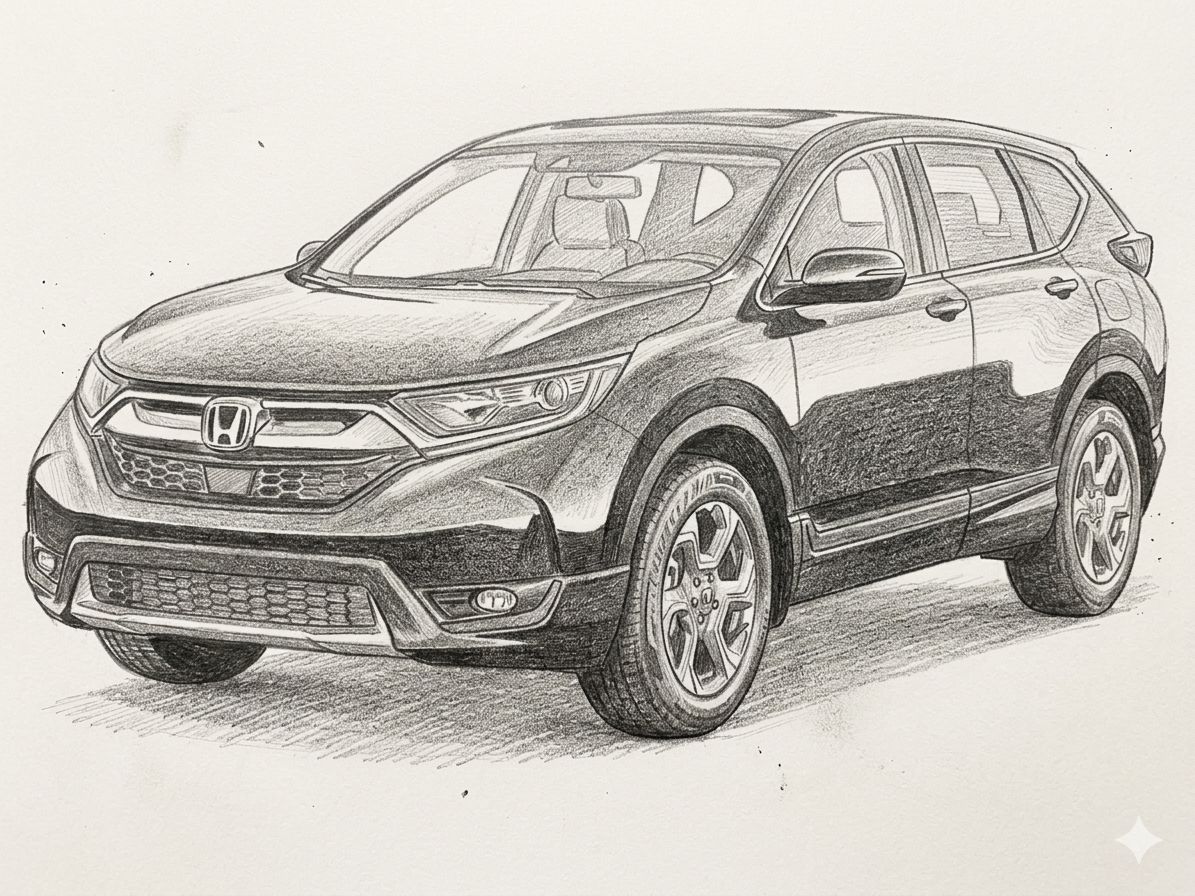
How emanuals.ai works
emanuals.ai turns your vehicle’s factory manual and diagnostic data into a chat you can actually have a conversation with. Describe the symptom, paste a code, or ask "what torque spec for the oil pan bolts" — you get the answer pulled straight from the manual, not a forum guess.
1. Tell us what’s wrong
Start with whatever you have: a check-engine code like P0299, a symptom ("whining noise at idle"), or the exact page of the manual you’re stuck on. No need to know the right terminology — the assistant maps plain-English descriptions back to the manual’s own section headings.
Before you start
Have your VIN or at least year/make/model/engine on hand — torque specs and procedures vary by trim and engine code, and the assistant uses this to pull the exact right manual section.
2. Chat with your vehicle’s manual
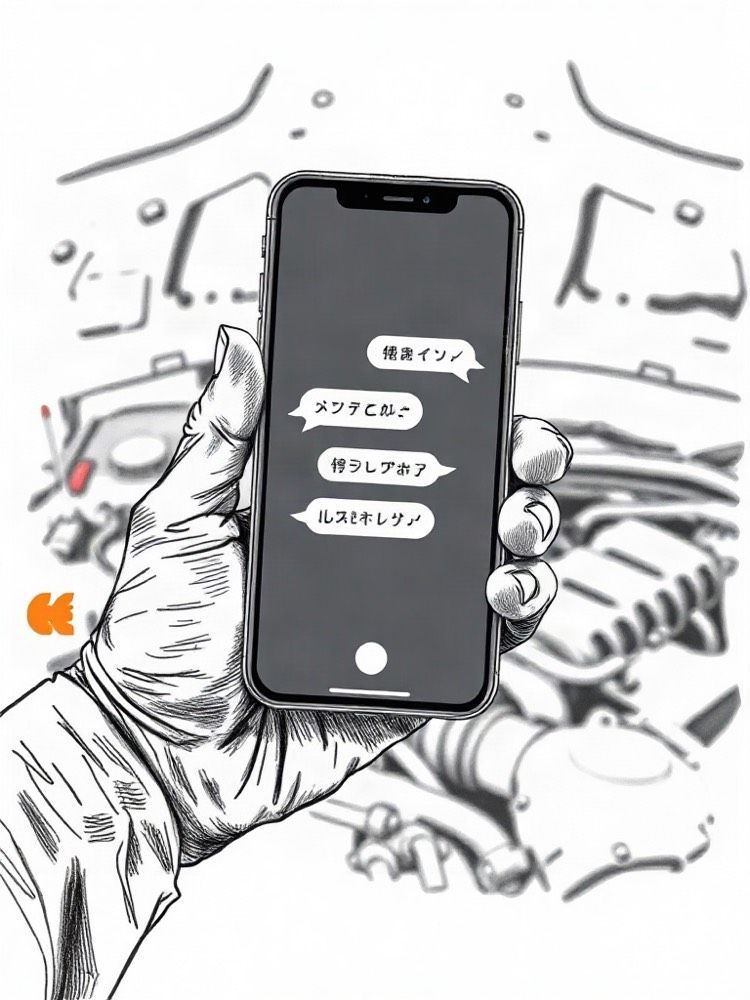
Every answer is grounded in your vehicle’s actual service manual, wiring diagrams, and manufacturer bulletins — with the source cited so you can double check it yourself. Ask follow-up questions the same way you would a shop’s senior tech.
3. Follow guided, step-by-step procedures
Once you’ve confirmed the diagnosis, the assistant can walk you through the fix itself — broken into the same steps a technician would follow, in order.
Example: replacing a vacuum line
- 1
Confirm the leak location
Use a smoke test or carefully listen with the engine idling to pinpoint the cracked line.
- 2
Relieve system pressure
Depressurize the intake and disconnect the battery negative terminal before removing any lines.
- 3
Remove and replace the line
Match the OEM part number from the manual — aftermarket hose can collapse under vacuum.
- 4
Clear codes and road test
Clear the stored code, then drive a full drive cycle to confirm the fix before re-checking readiness monitors.
Typical torque specs referenced in this example
| Intake manifold bolts | 20 Nm |
|---|---|
| Vacuum line clamp | Hand-tight + 1/4 turn |
| Battery terminal nut | 6 Nm |
| Engine cover fasteners | 9 Nm |
DIY diagnosis vs. guessing on forums
Why sourcing answers from the manual beats an open-ended search.
Pros
- Answers cited to the exact manual page, not an anonymous forum post
- Covers your specific year/engine/trim, not a generic version of the car
- Step-by-step procedures in the manufacturer’s own order
- Available any time, no waiting on a shop appointment
Cons
- Still requires basic tools and comfort working on the vehicle
- Some dealer-only procedures (e.g. module programming) still need a shop
- Not a substitute for a safety recall or airbag-system repair
emanuals.ai vs. generic search
The same question, two different starting points.
| Generic web search | emanuals.ai | |
|---|---|---|
| Source | Mixed forum posts | Your vehicle’s factory manual |
| Specificity | Generic model/year | Exact trim, engine, VIN |
| Format | Scattered threads | Guided chat + steps |
| Citations | Rarely included | Linked to manual section |
Inside the app
A few screens from a real diagnostic session.

Frequently asked
Does emanuals.ai work for any make and model?+–
Coverage spans most major manufacturers from roughly the last 25 model years, with new vehicles added regularly.
Is this the same as a generic AI chatbot?+–
No — every answer is grounded in the actual manual and diagnostic data for your vehicle, with a citation back to the source.
Can it replace a trip to the shop?+–
For most maintenance and diagnostic work, yes. Safety-critical or dealer-only procedures (recalls, module programming) still need a shop.
Do I need to know my VIN?+–
It helps narrow results to your exact trim and engine, but year/make/model/engine is usually enough to get started.
From the manual
Engine Mechanical — General Diagnosis
Factory manual · Section 10
Vacuum System — Inspection and Testing
Factory manual · Section 11
OBD-II Diagnostic Trouble Codes
Factory manual · Appendix C
Torque Specifications — Engine
Factory manual · Appendix A
Sources
- emanuals.ai, How vehicle coverage is sourced and verified, 2026-09-28First-Party Data
- NHTSA, Recalls, complaints, and investigations database, 2026-09-28Government
- SAE International, J2012 — Diagnostic Trouble Code Definitions, 2026-09-28OEM Manual
- OEM Technical Publications, Factory service manual, current model-year edition, 2026-09-28OEM Manual
Ready to try it on your own vehicle?
Add your vehicle and start a chat with its manual — first question is free.
More from the app
Additional screens showing the chat and guided-repair flow.
Still have questions?
Our assistant can walk through your specific vehicle with you in real time.
More questions
How current is the manual data?+–
Manuals and bulletins are kept in sync with manufacturer publications as new model years and revisions are released.
Can I save a conversation for later?+–
Yes — every chat is saved to your account so you can pick a repair back up where you left off.
Does it cover motorcycles or trailers too?+–
Today coverage is focused on passenger cars and light trucks; other vehicle types are on the roadmap.
Ask emanuals.ai about your car
Answers come from the actual factory manual for your make, model and year, with the page cited. Join the waitlist and we will email you when a spot opens up.
Invite-only beta. No spam, one email when your spot opens.